The right fishing boat for Ohio comes down to two questions: where you fish, and what you chase. A boat that is perfect for perch on a calm August morning can be the wrong boat entirely for a spring walleye run out of Port Clinton.
Lake Erie drives most of that decision. It holds the best walleye fishery in the country and it is also the hardest water in the Great Lakes on a small boat. This guide covers how species and technique shape the boat, how to size one for Erie, what rigging actually matters, and what to look at before you buy used.
We work the water this guide describes, from Cleveland west to Port Clinton and Sandusky.
What you fish for shapes the boat
Technique dictates layout more than brand does. Work backward from how you actually fish.
Walleye
Walleye is the main event on Erie, and most walleye fishing here is trolling. That means running a spread of lines behind the boat with planer boards, dipsy divers, and crawler harnesses, holding a steady slow speed for hours. A trolling boat needs rod holders, open gunwale space to work lines, and precise speed control at 1 to 2 mph.
The western basin around the islands and the reef complex is the spring heartland. As the season moves on, fish push east into the central basin and you end up running farther to find them. That distance is a real factor in how much boat you need.
Spring also brings vertical jigging and casting near the reefs, which rewards a bow-mount electric trolling motor with GPS anchor-lock more than it rewards a big trolling spread.
Yellow perch
Perch fishing is anchored or spot-locked over structure with light tackle, often in the central basin from late summer into fall. It is friendlier to a smaller boat than trolling is, but perch fishing frequently happens several miles out. Range and a weather window still matter.
Steelhead
Ohio's steelhead run the northeast tributaries, the Rocky, Chagrin, Grand, and Conneaut among them, from fall through spring. Much of that fishing is done from shore or by wading. Nearshore trolling for steelhead does happen, and it puts you on the lake in cold, unsettled months, which argues for weather protection and a heater more than for boat size.
Smallmouth bass
Smallmouth around the islands, reefs, and rocky structure is casting and drifting work. A bow-mount trolling motor, a stable casting deck, and good electronics matter more than an offshore hull.
Fishing the Erie season
Erie fishes very differently across the year, and the months you plan to be out should shape what you buy.
Spring, roughly March through May. Walleye spawn on the western basin reefs and run the Maumee and Sandusky rivers. This is jigging and casting water more than trolling water, and the fleet concentrates around the islands and the western ramps. The fishing is excellent and the weather is not. Cold water and unsettled conditions make freeboard, a windshield, and a dependable engine worth more in spring than at any other point in the year.
Early summer, June and July. Fish spread out and trolling takes over. Crawler harnesses and spoons run behind planer boards and divers become the standard approach, which is when rod holders and steady slow-speed control start earning their keep.
Late summer, August and September. Walleye generally push east and deeper into the central basin, so you run farther to reach them. Perch fishing comes on strong at the same time and gives smaller boats a real season close to home.
Fall, October and November. Often the best fishing of the year and the roughest water on it. Perch peaks, walleye feed hard before winter, and steelhead stage and run the northeast tributaries. This is the stretch where a hardtop or a full enclosure decides whether you actually go out or watch the forecast from the driveway.
Winter and early spring. Steelhead fishing continues in the tributaries, mostly from shore or by wading. Ice cover on the western basin varies a great deal year to year and is not something to plan a purchase around.
The short version: if you only fish June through August, you can buy less boat. If you want the fall bite, buy for the fall.
Erie is harder on a boat than its size suggests
This is the part buyers moving from inland lakes underestimate.
Shallow water builds a short, steep, closely spaced chop, and it builds fast. A 3 ft wave on Erie arrives with far less spacing than a 3 ft swell on open ocean, so the ride is sharper and the water gets uncomfortable at wind speeds that would be a non-event elsewhere. Conditions can also change inside an afternoon.
The practical consequence: judge a fishing boat by hull design and freeboard, not by the number on the transom. A deep-V with real deadrise and dry freeboard will fish days that a flatter, shallower hull of the same length cannot.
Boat categories that work on Erie
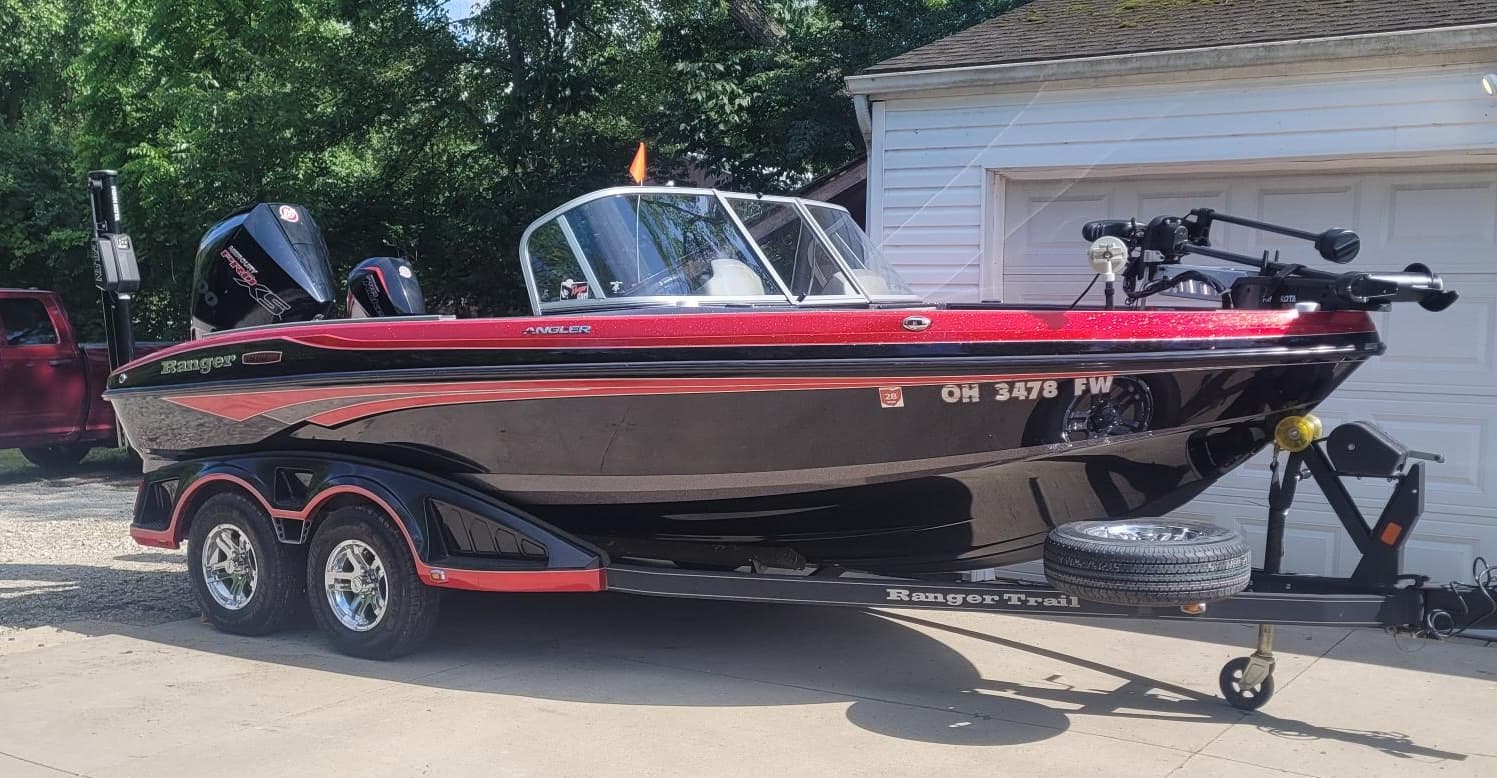
- Deep-V aluminum multi-species. Lund, Ranger, Crestliner, Starcraft, Warrior and similar. The Erie workhorse. Purpose-built for trolling and jigging, light enough to trailer, and forgiving on maintenance. The most common serious walleye rig on this lake.
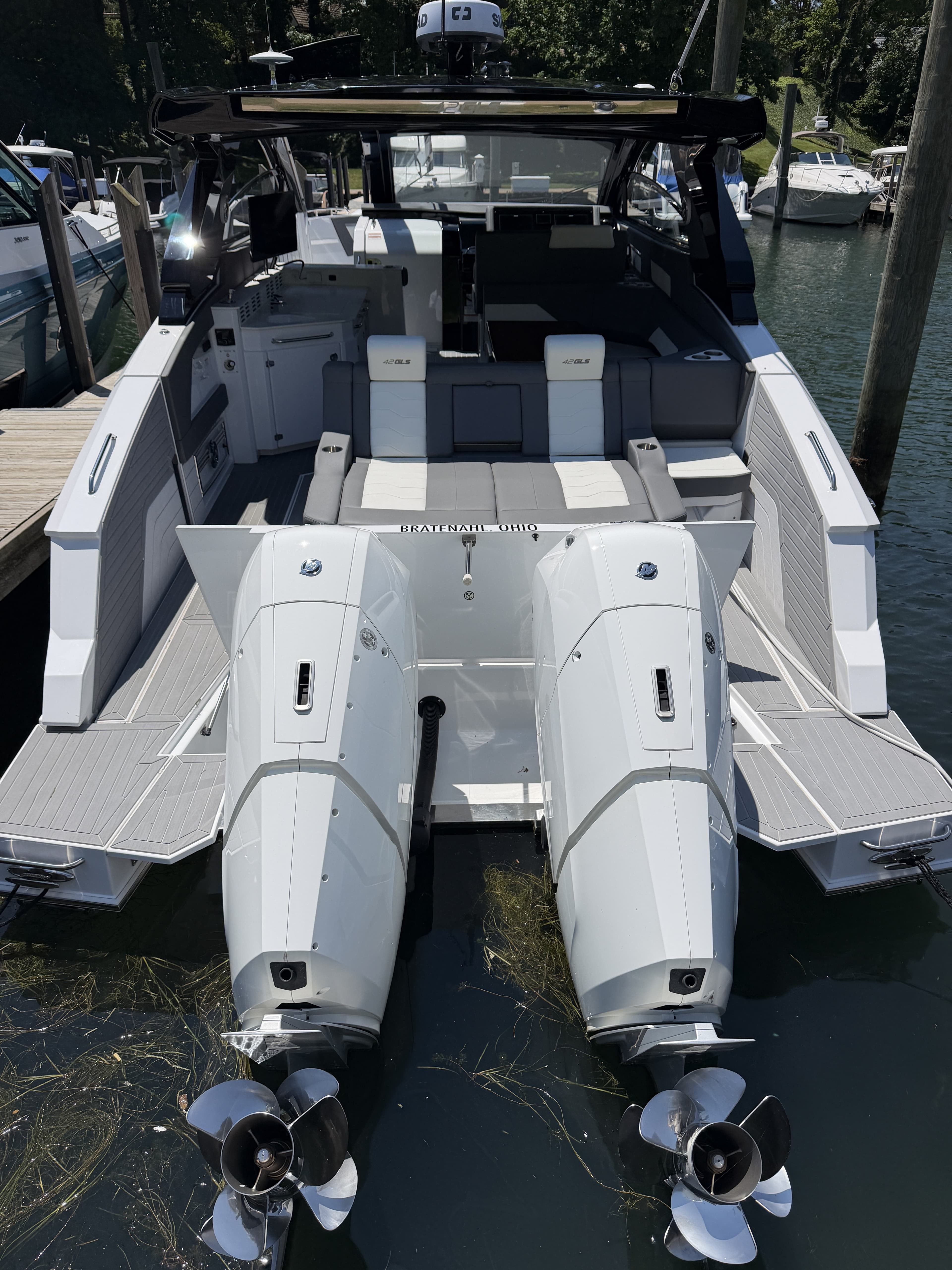
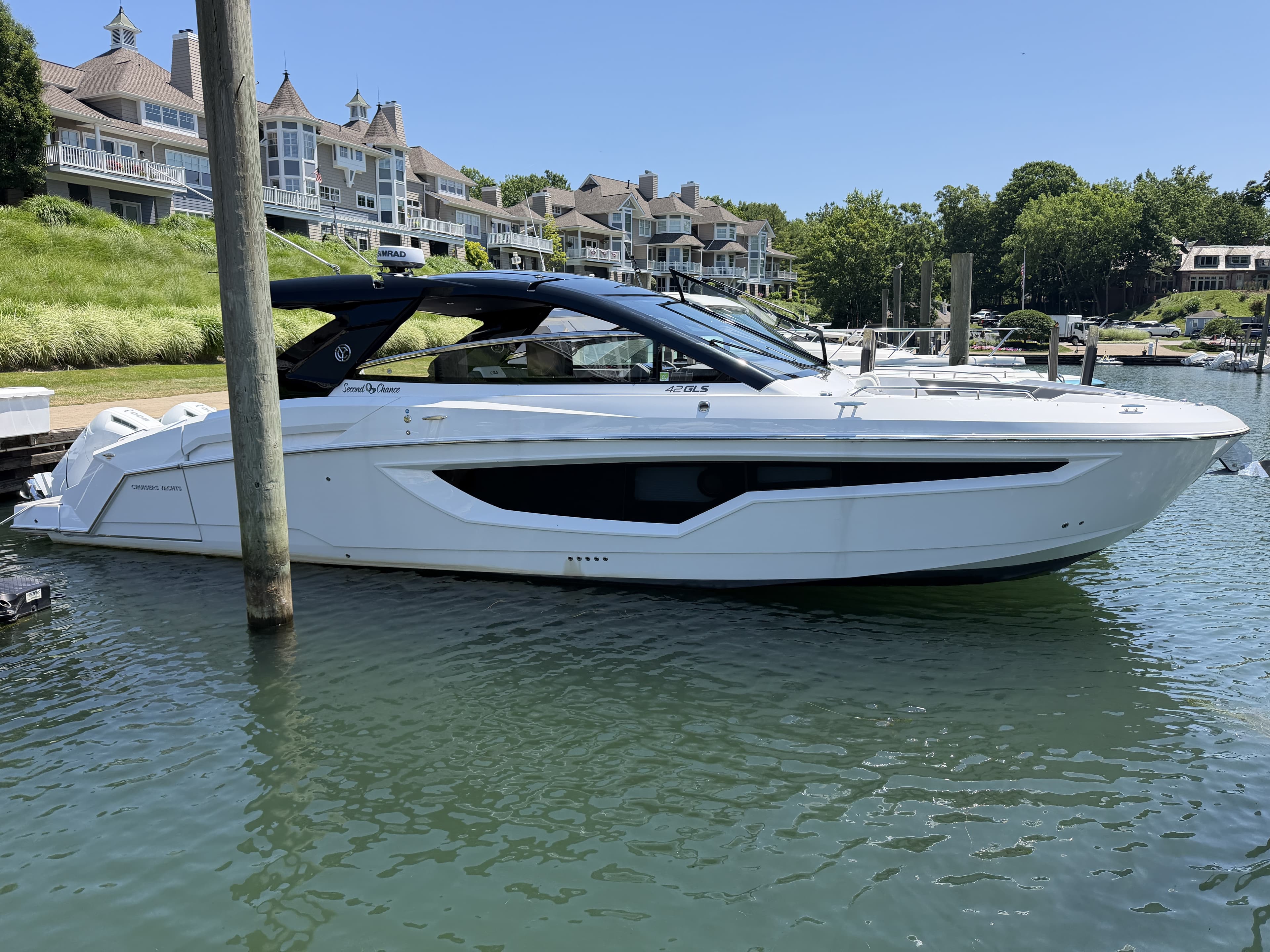
- Fiberglass walkarounds and center consoles. Heavier, generally a softer ride in chop, more weather protection on a walkaround. Less common here than on the coasts but well suited to running distance in the central basin.
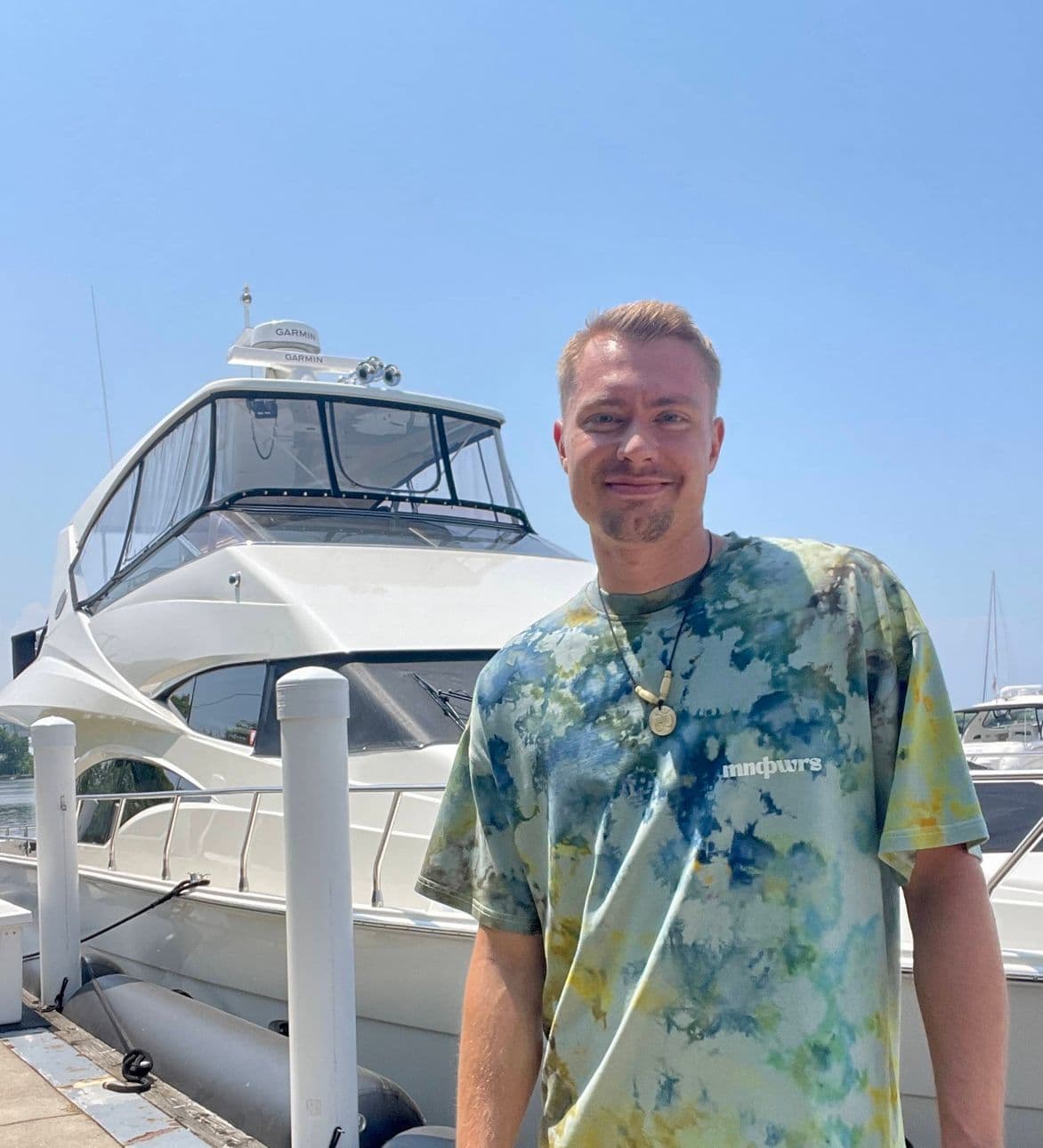
- Sportfish convertibles. Larger platforms with a flybridge and cabin for anglers who want to fish in most conditions and stay out. More boat, more slip, more cost, far bigger weather window.
- Small aluminum and inland boats. Correct for inland lakes and reservoirs, and fine on Erie only on genuinely calm days close to a ramp.
Categories rotate through the boats for sale page. What is listed today is what we have today.
How much boat do you actually need
Size on Erie buys you days on the water, not status.
- Under 18 ft. Inland lakes, protected water, and picked calm days close to the ramp.
- 18 to 21 ft deep-V. The common Erie walleye rig. Trailerable, capable in a moderate chop, and enough boat for most of the season if you respect the forecast.
- 22 to 26 ft. A meaningfully wider weather window and a comfortable run east when fish move. Where a lot of serious Erie anglers land.
- 26 ft and up with a hardtop or cabin. Extends the season into the cold months and makes marginal days fishable.
The honest advice is to buy for the days you will actually fish, not the worst day you can imagine. If you want the longer version of this tradeoff, the Lake Erie boat size guide works through it.
Rigging that matters here
- Speed control. A kicker motor or a trolling motor that holds a steady 1 to 2 mph. Trolling speed control is the single most useful feature on an Erie walleye boat.
- Bow-mount electric with GPS anchor-lock. Worth its price for perch, jigging, and smallmouth.
- Rod holders and track systems. You need somewhere to put a multi-rod spread. Retrofitting tracks is straightforward, so do not reject an otherwise good boat over this.
- Electronics. A modern chartplotter and sonar. Forward-facing sonar is popular now, but it is an add-on you can fit later rather than a reason to overpay for a hull.
- Weather protection. A hardtop, a full enclosure, or at minimum a solid windshield changes which months you fish. On a cold-weather steelhead or late-fall boat this matters more than length.
- Ohio line and gear rules change. Check current ODNR regulations for the season you are fishing rather than relying on what a seller tells you.
Trailer or slip
Trailerable boats let you chase fish. When walleye move from the western basin to the central basin, a trailer means you follow them to the nearest ramp instead of running 40 miles.
A slip buys convenience and lets you own a bigger, more capable boat. It also has to be confirmed before you buy.
The Cleveland marina guide covers the local options and tradeoffs.
Buying a used fishing boat on Erie
Freshwater is the advantage here. A boat that has spent its life on Lake Erie has no salt-driven corrosion or electrolysis to manage, so engines, wiring, and hardware last longer and survey cleaner. "Freshwater only, Great Lakes" carries real weight when you resell, including to buyers outside Ohio.
What to look at on a used fishing rig specifically:
- Transom and stringers. Repowering and heavy trolling hours are hard on a transom. This is a survey item, not an eyeball item.
- Engine hours and service history. Trolling puts hours on an engine at low speed. Hours alone tell you less than records do.
- Electronics age. Working but obsolete units are a replacement cost, so price them accordingly.
- Livewells, pumps, and plumbing. Cheap to fix, easy to overlook, annoying when they fail on the first trip.
- Trailer condition. On a trailerable boat the trailer is part of the purchase. Bearings, brakes, and tires all age out.
- Title and registration. Ohio titling and registration have their own rules, and a documented vessel is a different process. The documentation and registration guide explains which path applies.
For the full used-boat process, including survey expectations and closing costs, see the complete guide to buying a used boat in Cleveland.
Frequently asked questions
What is the best boat size for Lake Erie fishing? An 18 to 21 ft deep-V handles most of the season if you watch the forecast. Moving to 22 to 26 ft mainly buys you more fishable days and an easier run when the fish move east.
Do I need a deep-V hull on Lake Erie? For serious open-water fishing, yes. Erie's shallow depth creates a short, steep chop, and deadrise plus freeboard is what makes that comfortable and safe.
Do I need a kicker motor to troll for walleye? Not always. A main engine that holds a clean 1 to 2 mph, or a trolling motor with good speed control, will do the job. A kicker adds fuel economy over a long trolling day and gives you a second way home, which is why most dedicated Erie rigs carry one.
Is an aluminum or fiberglass boat better for Erie? Aluminum multi-species boats are lighter, easier to trailer, and dominate the walleye fleet. Fiberglass generally rides softer in chop and offers more cabin and weather protection. Both are common and correct choices here.
Are freshwater Lake Erie boats worth more? Yes. No salt exposure means less corrosion and fewer survey surprises, and freshwater history is a selling point to buyers nationally.
Can I fish Lake Erie with a bass boat? On calm days near a ramp, sometimes. A low-freeboard bass boat is not built for Erie chop and can get dangerous quickly when the wind comes up.
Talk it through before you buy
Most of the bad fishing-boat purchases we see come from buying the wrong category, not from overpaying. A boat rigged for inland bass will not fish a spring walleye run, and a big convertible is more boat than someone launching from a ramp twice a month should own.
If you want a straight answer about what fits how you actually fish, reach out or call (216) 780-5988. We will tell you when a boat is right for your use case and when it is not, even if we are the listing broker. You can also read how we work with buyers on the boat buyer service page.