
What to expect when using a boat broker: complete guide for sellers
Hiring a broker should make selling your boat easier, not more confusing. This guide covers what the process actually looks like from a seller's seat, what timing is realistic on Lake Erie, and how pricing decisions usually shake out.
The sales process beyond the listing
A good broker does more than post your boat online. The work starts with a market analysis, professional photos, a written listing, and placement across the platforms buyers actually use. From there, the broker pre-screens inquiries, runs showings, and handles the paperwork: title transfer, lien release, survey coordination, and closing logistics.
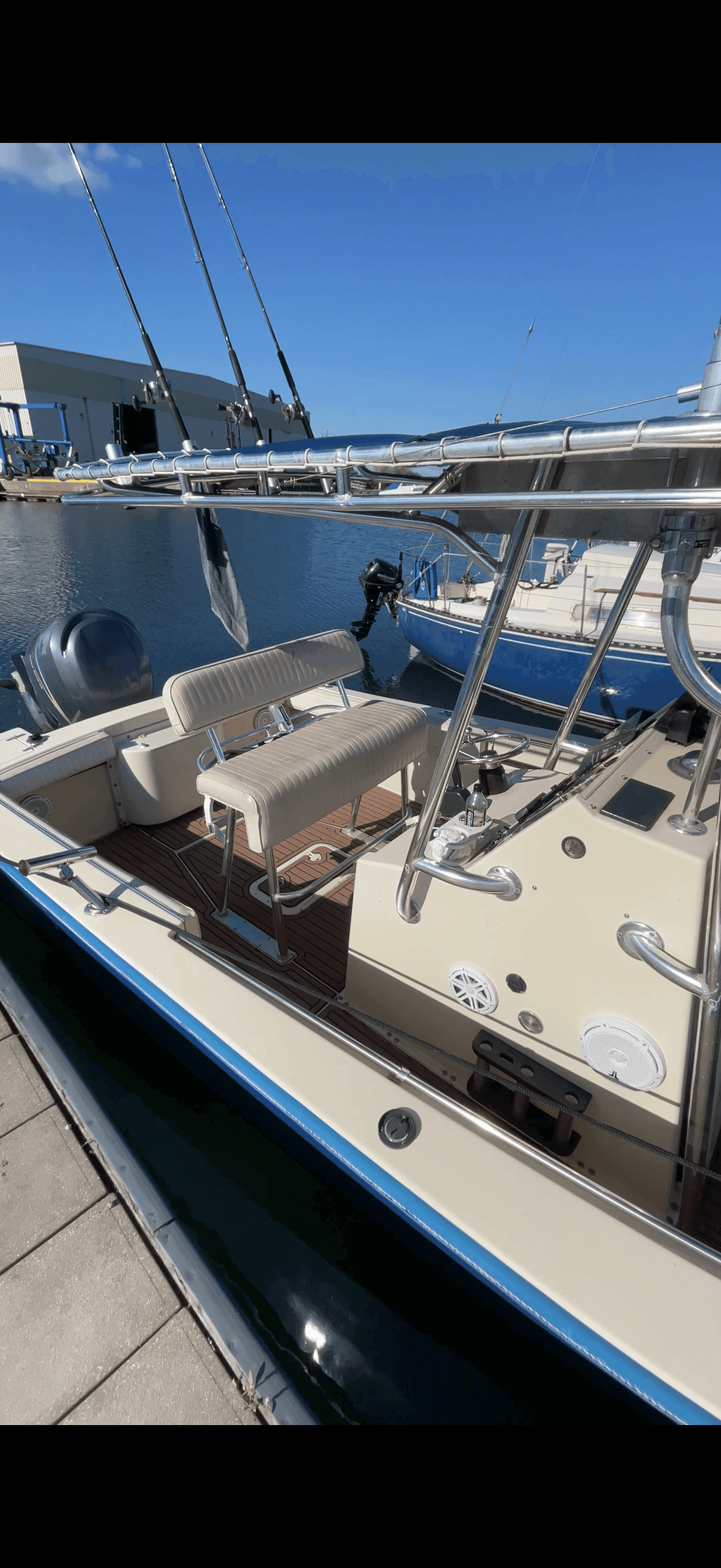
For specialized boats like fishing rigs or Sea Ray Sundancers, the broker should know the gear and construction details that matter to that buyer pool. Buyer feedback on those features should make it back to you. Whether you're working with Cleveland boat dealers or a broker farther afield, knowing how the process is structured sets a realistic baseline for the months ahead.
Realistic timing on Lake Erie
Some sellers expect a buyer in week one. That happens occasionally. More often, it takes several weeks of filtering inquiries before a qualified buyer shows up with a real offer. The filter itself is mostly one question — see how to tell if a boat buyer is serious. That is not a verdict on your boat. The marine market is small and seasonal, and most buyers shop slowly.
Timing the listing helps. Listing in late winter gives the boat full exposure heading into spring, when buyers have the most energy and the most boats are getting hauled out and looked at. A boat listed in August is fighting a market that is already winding down.
Pricing: where most sellers get stuck
Pricing is where most listings succeed or stall. In our experience, the majority of sellers come in above what the market will actually pay, usually because they remember what they paid years ago, or they're comparing to a different boat with different equipment and condition.
A broker's job is to ground that number in recent comparable sales, current inventory, and regional demand. Cleveland and the rest of the Lake Erie market have their own seasonal pressure and competition, and the comp data has to reflect that, not Florida or California listings.
The sellers who do best tell the broker their target net, then trust the broker on listing price. The sellers who anchor to a number and refuse to move usually sit on the market for months and accept a lower offer than the original recommendation would have produced.
Communication during the listing
Honest, regular updates are the part of broker work that clients notice most. You should know where things stand even when nothing is moving, because not knowing is what makes the wait feel long.
Useful communication looks like: market activity updates, buyer feedback after showings, plain-English explanations of any offers, and progress reports through title work and closing. If a listing is sitting longer than expected, the broker should say so and propose a strategic adjustment. Reviews of Cleveland boat dealers and brokers consistently call out communication as the thing that separates good from forgettable.
Managing buyer interactions and negotiations
The broker sits between you and the buyer. That means filtering casual browsers from real buyers (financing pre-approval or proof of funds is a fast filter), running showings, and presenting offers with the context to decide on them.
During negotiation, the broker should explain market context for an offer, suggest a counter, and walk you through the practical implications of terms beyond the price. The decision to accept, counter, or pass is always yours.
Regional market expertise matters
Lake Erie has its own buyer pool and its own rhythm. A broker who works the Great Lakes understands which boats appeal to which buyers here, how the weather window shapes the season, and which marinas and surveyors keep transactions on track. Freshwater pedigree is a real selling point on Erie boats, and a local broker can communicate that to buyers who care about it.
Setting realistic expectations
The best broker-client relationships start with aligned expectations. A good broker gives you an honest market read, professional marketing, and steady negotiation support. Anyone promising a specific sale price or a specific closing date is overselling.
Sellers who stay flexible on price and timing, and who trust the process, tend to land better outcomes than sellers who lock in early on a number and a date.
Working with Northern Boat Brokerage
Our approach is straightforward: regular updates from listing through closing, honest pricing conversations even when they are uncomfortable, and full handling of the paperwork on both sides of the deal. Our 29 five-star Google reviews consistently call out the communication piece, which is the part of the job we work hardest at.
If you are thinking about selling a boat on Lake Erie and want a straight conversation about what your boat is worth and how the process would run, reach out. We will give you a real answer.
Connect with Us:
- Phone: 216-780-5988
- Instagram: @northernboatbrokers